Random Animal Generator

Generate Again
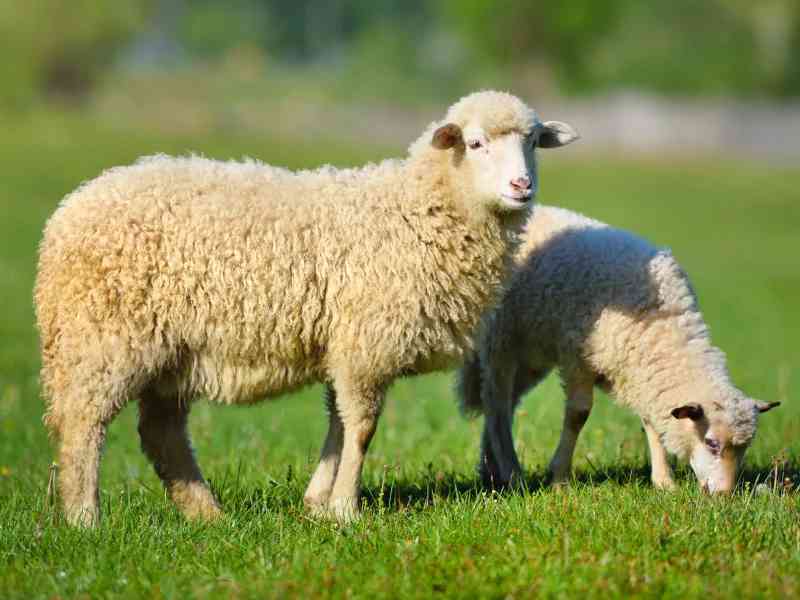
sheep - mammals with detailed facts including diet, lifespan, weight and habitat information
sheep
Category mammals
Diet Herbivore (feeds on grasses, hay, and leaves)
Lifespan 10 - 12 years
Weight 99 - 300 pounds (varies by breed)
Top Speed 15 - 20 miles per hour
Color Most commonly white, but can be black, brown, or multicolored (varies by breed)
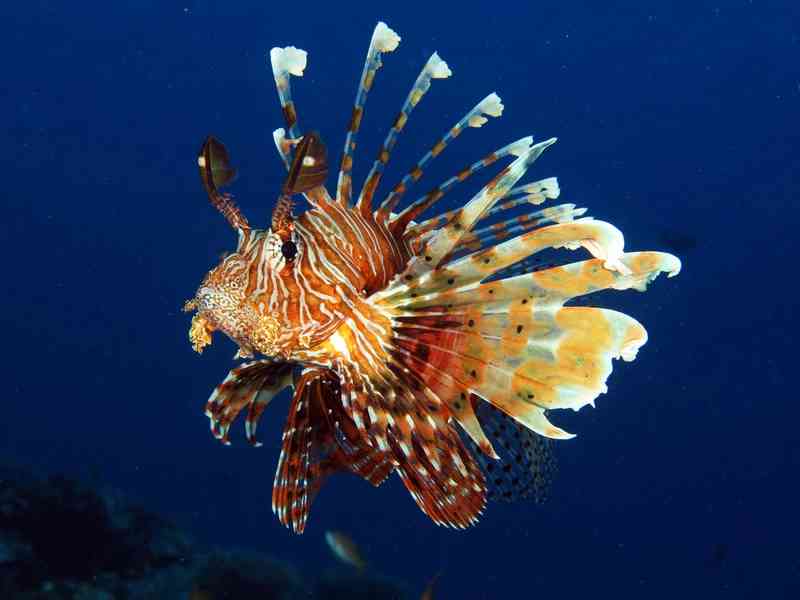
lionfish - fish with detailed facts including diet, lifespan, weight and habitat information
lionfish
Category fish
Diet carnivore (small fish, crustaceans, mollusks)
Lifespan 10-15 years
Weight 1-3 lbs
Top Speed 5 mph
Color red, orange, or brown with white stripes, long venomous spines
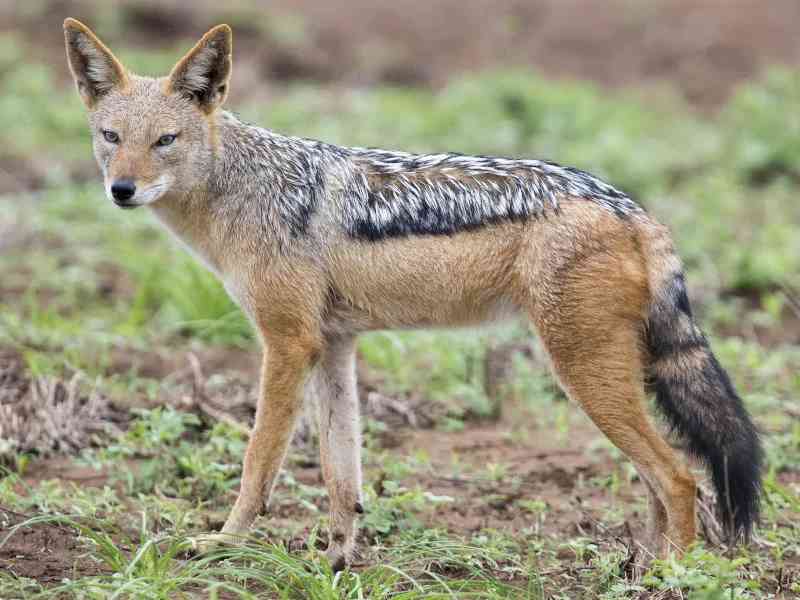
jackal - mammals with detailed facts including diet, lifespan, weight and habitat information
jackal
Category mammals
Diet Omnivore (feeds on meat, fruits, and vegetables)
Lifespan 8 - 12 years
Weight 15 - 33 pounds
Top Speed 34 miles per hour
Color Typically has golden or reddish-brown fur with white markings on the legs and chest

Animal Categories

🐸 Amphibians

Amphibians are cold-blooded vertebrates that usually live both in water and on land during their life cycle. Many start as aquatic larvae with gills and later develop lungs for life on land. Frogs, toads, salamanders, and newts are common examples. They often have moist, permeable skin and are sensitive to environmental changes, which makes them important indicators of ecosystem health.

🕷️ Insects & Arthropods

Insects and other arthropods form the largest group of animals on Earth, with an exoskeleton, segmented bodies, and jointed legs. This category includes insects, spiders, scorpions, crabs, shrimp, and many other invertebrates. They live in nearly every habitat, from deep oceans to deserts and city gardens, and play major roles as pollinators, decomposers, predators, and prey.

🐦 Birds

Birds are warm-blooded vertebrates with feathers, beaks, and typically the ability to fly, though some species are flightless. They range from tiny hummingbirds to large eagles, ostriches, and penguins. Birds are found across wetlands, forests, grasslands, coasts, and cities, and are known for nesting behavior, migration, song, and diverse diets that include seeds, insects, fish, and nectar.

🦕 Dinosaurs & Prehistoric

Dinosaurs and other prehistoric creatures dominated terrestrial ecosystems for hundreds of millions of years. Some were enormous plant-eaters, while others were fast, sharp-toothed hunters. Although non-avian dinosaurs went extinct about 66 million years ago, birds are widely recognized as their living descendants. Learning dinosaur names and traits is a popular way to explore paleontology and evolutionary history.

🐟 Fish & Marine Life

Fish and marine life include aquatic vertebrates that breathe primarily through gills and usually have fins and scales. They live in freshwater rivers and lakes as well as oceans, coral reefs, and deep-sea habitats. This group includes sharks, rays, tuna, salmon, goldfish, and countless tropical species. They are essential to aquatic food webs and support major fishing and aquaculture industries worldwide.

🐺 Mammals

Mammals are warm-blooded animals that typically have hair or fur and feed their young with milk. The group includes familiar animals such as dogs, cats, elephants, whales, bats, and humans. Mammals occupy nearly every environment on Earth, from oceans and deserts to rainforests and polar regions, and show a wide range of body sizes, social behaviors, and diets.

🦎 Reptiles

Reptiles are mostly cold-blooded vertebrates with scaly skin, including snakes, lizards, turtles, tortoises, and crocodilians. Many rely on external heat sources to regulate body temperature and lay eggs on land, though some give birth to live young. Reptiles thrive in deserts, wetlands, forests, and coastal areas, and they are important predators and prey within many ecosystems.
Ways to Use the Random Animal Generator

Educational Tool for Kids & Classrooms

Use the Random Animal Generator as a simple classroom warm-up or homework helper. Generate a few animals, then ask students to name the category, diet, habitat, or one fun fact. The mix of images and short attributes keeps younger learners engaged while introducing basic biology concepts.

Drawing & Artistic Inspiration

Artists and hobbyists can use random animals as quick drawing prompts. Generate a creature, then sketch a realistic study, a cartoon version, or a completely new pose and scene. Switching categories helps you practice feathers, scales, fur, fins, and prehistoric shapes.

ESL & English Vocabulary Practice

Language learners can generate animals and practice English names, adjectives, and short sentences. Try describing color, size, diet, and habitat out loud, or write a mini paragraph for each result. It is a lightweight way to build animal vocabulary without memorizing long word lists.

Party Games & Trivia Challenges

Turn the generator into a party or family game. Give each player a random animal and have them act it out, draw it, or answer trivia about its category and traits. You can also race to guess the animal from clues based on diet, weight, top speed, or appearance.

FAQ

What is a Random Animal Generator?

A Random Animal Generator is a free web tool that shows random animals with images and basic facts such as category, diet, lifespan, weight, and top speed. It is useful for education, creative prompts, vocabulary practice, and quick discovery of wildlife species.

How do I generate animals from a specific category?

Use the Category dropdown near the top of the page to choose Amphibians, Insects & Arthropods, Birds, Dinosaurs & Prehistoric, Fish & Marine Life, Mammals, or Reptiles. The page URL will update with a category parameter, and clicking Generate Again will keep that filter. Choose All Animals to randomize across every category.

Is this random animal generator free to use?

Yes. The Random Animal Generator on RandomLocker is free to use. You can generate animals, switch categories, and refresh results as often as you like without creating an account.